
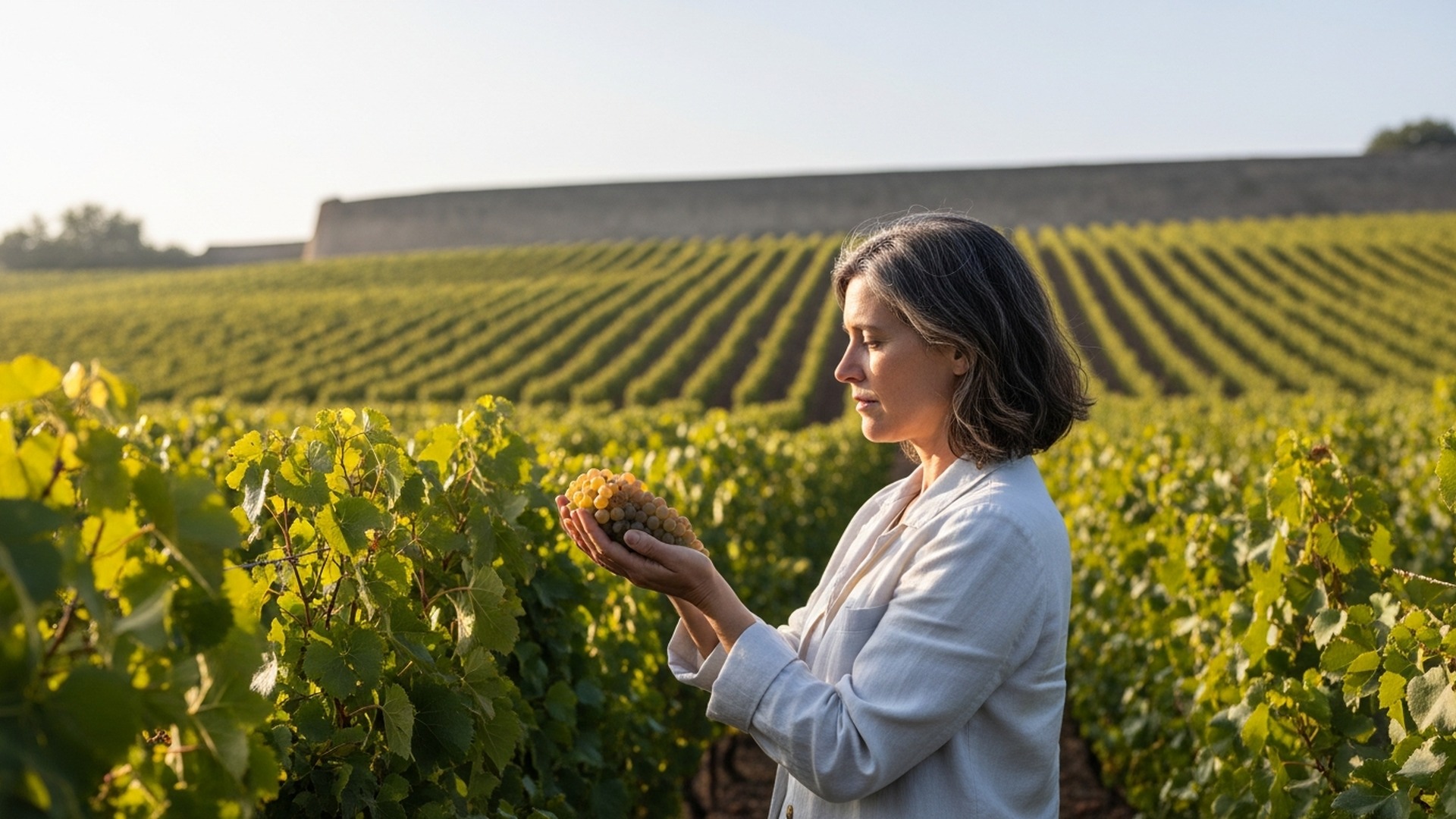
Chablis Is Not “a Chardonnay”
Tell a machine that Chablis is a Chardonnay, and you are technically correct and completely wrong. You’ve described the grape and erased the wine. Chablis is a Chardonnay the way a cathedral is a pile of stones: accurate, useless, and missing the entire point.
An appellation is not a label. It’s a compressed story of soil, climate, law, and a thousand years of human stubbornness, all encoded into a single word on a bottle. Barolo isn’t “a red.” Sancerre isn’t “a crisp white.” Each name carries a density of meaning that took the trade centuries to build and takes a sommelier years to learn to unpack.
For most of wine history, that unpacking could only happen one way: a knowledgeable human, explaining it to one person at a time. Which is exactly why it never scaled, and exactly why AI’s arrival in this corner of the trade is so interesting, and so risky.
The Real Danger: Wikipedia Paste
Let’s name the failure mode first. Done badly, AI flattens appellations into generic mush, the conversational equivalent of a search result. “Barolo is a prestigious Italian red wine from the Piedmont region known for its bold tannins.” True, lifeless, and indistinguishable from what any free chatbot would say.
That kind of output doesn’t sell wine, and it actively damages trust, because the moment a knowledgeable buyer sees it, they know there’s no real expertise behind the screen. We touched on this in The Algorithm and the Alchemist: the future of wine commerce isn’t algorithmic efficiency alone, it’s algorithmic reach paired with genuine category mastery. Strip out the mastery and you’ve just automated mediocrity.
What Appellation Intelligence Looks Like Done Right
The opposite of Wikipedia paste is an agent that understands appellations the way a sommelier does: as a system of meaningful distinctions, not a glossary.
It knows that a village wine and a premier cru from the same Burgundian slope are different propositions for different occasions and budgets. It knows that vintage matters enormously in marginal climates like Burgundy or the Mosel, and far less in reliably warm regions. It knows that “Côtes du Rhône” spans a vast quality range and can guide a buyer to the producer who overdelivers. It can translate appellation nuance into the buyer’s actual language, “structured but not aggressive, ages a few years, won’t embarrass me in front of my father-in-law,” without losing the precision underneath.
This depth doesn’t come from a clever prompt. It comes from the data. An agent reasoning over a deep, wine-specific knowledge base, hundreds of thousands of wines enriched with dozens of structured attributes each, can hold appellation distinctions that a general-purpose model simply flattens. The structure underneath is the difference between a teacher and a tourist.
Why This Matters More as Discovery Moves to AI
This isn’t an academic nicety. As we argued in Optimizing for Google Is Obsolete, buyers are increasingly discovering wine by asking an AI a full question rather than scrolling search results. When that AI recommends a Chablis, the quality of its appellation understanding directly determines whether the recommendation is right, and whether it’s your Chablis being recommended.
An agent that genuinely understands terroir surfaces the right bottle for the right buyer and explains it convincingly. One that doesn’t recommend generically, badly, and forgettably. As appellation-aware discovery becomes the norm, the depth of that understanding stops being a nice-to-have and becomes the thing that wins or loses the sale.
Terroir Finally Gets the Reach It Deserves
Here’s the optimistic case, and we believe it’s the right one. For centuries, the deep knowledge encoded in appellations was bottlenecked by the number of people who understood it and the number of conversations they could have. The knowledge was rich; its reach was tiny.
AI, done with real expertise underneath, removes that bottleneck without removing the depth. The patient explanation of why this slope, this vintage, this producer, the part of the job the best sommeliers cherish most, can finally reach every curious buyer, every time, in context.
The future of AI for wine appellations isn’t AI replacing terroir knowledge. It’s AI giving terroir knowledge the audience it never had. We’re building it to respect the story, not shortcut it.
Curious whether your agent knows the difference between a Chardonnay and a Chablis? → sommelier.bot
#WineRetail #WineIndustry #DigitalSommelier #WineTech


